No Label, No Problem: The New Wave of Hip-Hop Producers Eating Off TikTok and YouTube Alone
Not too long ago, if you wanted to get your beats heard, you had one real move: pack up a CD or a USB drive, fly to Atlanta or New York, and pray somebody in the right building gave you five minutes of their time. The industry ran on access, and access ran on relationships that took years to build. That whole system? It's getting dismantled in real time — one viral beat video at a time.
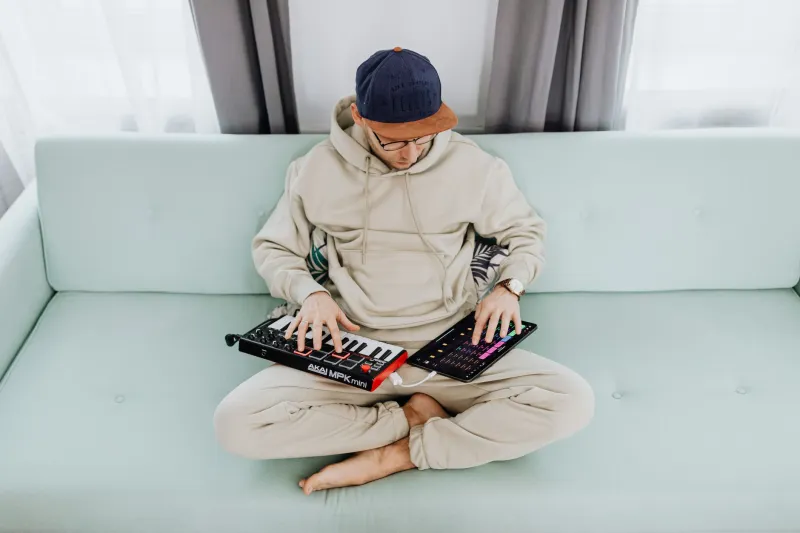
Right now, some of the most in-demand producers in hip-hop aren't sitting in label-funded studios waiting for an A&R call. They're teenagers and twenty-somethings posting beat-making videos from their apartments in Houston, Detroit, and Charlotte, racking up millions of views, and fielding DMs from artists you actually know. The pipeline from bedroom to Billboard has never been shorter — or more chaotic — and the producers who figured that out first are eating well.
The Algorithm Is the New A&R
Here's the thing about TikTok and YouTube that the old guard still hasn't fully wrapped their heads around: the algorithm doesn't care about your industry connections. It cares about engagement, watch time, and whether people are hitting replay. For producers, that's been a total game-changer.
Beat-making content — specifically the "watch me flip a sample" or "I made a beat in 10 minutes" format — has become one of the most reliably engaging niches on both platforms. Viewers are genuinely fascinated by the creative process, and producers who figured out how to package that process into compelling short-form content started building audiences that traditional marketing budgets couldn't touch.
Take the rise of producers like MVRK and similar lo-fi hip-hop creators who built six-figure YouTube channels before they ever licensed a single track commercially. Or look at how many beatmakers blew up purely off TikTok's "beats" hashtag, where a 45-second clip of a fire loop could land 2 million views overnight. That kind of organic reach used to cost a label a serious marketing budget. Now it's free — if you've got the sauce and the consistency.
Licensing Beats Without a Middleman
The business model here is genuinely interesting, and it's evolved fast. A few years ago, most producers monetizing online were doing it through beat lease sites like BeatStars and Airbit — uploading instrumentals, slapping a price tag on them, and letting rappers browse like it was an online store. That model still works, and plenty of producers are clearing five figures a month off leases alone. But the real moves happening now go way deeper than that.
Producers with sizable followings are using their platforms as leverage in direct negotiations with artists. When you've got 800,000 YouTube subscribers and your beats have been streamed millions of times on SoundCloud, you're not walking into a conversation as an unknown. You're walking in with receipts. Artists and their teams can see the data, they can see the audience, and that changes the entire power dynamic of what used to be a very one-sided conversation.
Some producers have taken it further, building full creative brands around their sound — merchandise, Patreon subscriptions, exclusive beat drops for paying members, even virtual studio sessions. They're not just selling beats; they're selling access to a creative identity that fans are genuinely invested in.
Case Study: The YouTube Tutorial Pipeline
One of the smartest moves independent producers have made is using educational content as a Trojan horse for their actual music. The formula goes something like this: post a tutorial breaking down how you made a beat, include the full beat in the video, let people fall in love with the sound while they're supposedly learning technique. By the end of the video, they're not just subscribers — they're potential customers.
This approach has worked especially well on YouTube, where longer-form content builds deeper audience loyalty than TikTok's quick-hit format. Producers who post consistently in this lane often report that their tutorial videos outperform straight beat videos in terms of subscriber conversion, because viewers feel like they're getting something educational on top of the music. It's a community-building play as much as a marketing one.
Several producers who came up through this pipeline have since landed placements with major artists — not because they cold-emailed a manager, but because the artist found them organically through the platform. That's the full-circle moment: the content brings the audience, the audience brings credibility, and the credibility brings the opportunity.
Flipping Virality Into Longevity
Going viral is cool. Staying relevant is the actual job. And this is where a lot of producers who catch a moment online stumble — they get the views but don't have the infrastructure to convert that attention into a sustainable career.
The producers who are actually building long-term off these platforms share a few habits. They're consistent — posting on a schedule, not just when inspiration strikes. They're engaged — responding to comments, doing collabs with other creators, making their audience feel like part of the process. And they're business-minded — they understand the difference between a lease and an exclusive, they know their licensing rates, and they're not giving away masters just because someone has a blue checkmark.
There's also a growing ecosystem of producer communities online — Discord servers, Twitter/X spaces, Reddit threads — where beatmakers share knowledge about the business side of things. Information that used to be gatekept by industry insiders is now being passed around freely in group chats. That collective knowledge-sharing has accelerated the learning curve dramatically for independent producers coming up right now.
What This Means for Hip-Hop's Future
The implications here go beyond just a few producers getting their bag without a label deal. What's happening is a genuine restructuring of who holds power in hip-hop's creative economy. When artists can find world-class producers on TikTok, and those producers can negotiate directly without a publisher or A&R acting as intermediary, the whole machine runs differently.
Major labels are taking notice — some are actively scouting TikTok for producers the same way they used to scout SoundCloud for rappers. Others are offering deals specifically structured around an independent producer's existing online business, rather than trying to absorb it into the traditional label model. It's an acknowledgment that the old way of doing things doesn't have a monopoly on talent discovery anymore.
For fans of hip-hop culture, this is genuinely exciting. It means the sounds shaping the genre are coming from more places, more backgrounds, and more perspectives than ever before. The kid in Memphis with a $300 laptop and a fire ear for samples has a real shot now — not just in theory, but in practice.
The bedroom isn't just where the music starts anymore. For a whole generation of producers, it's where the whole business lives. And honestly? The music is better for it.