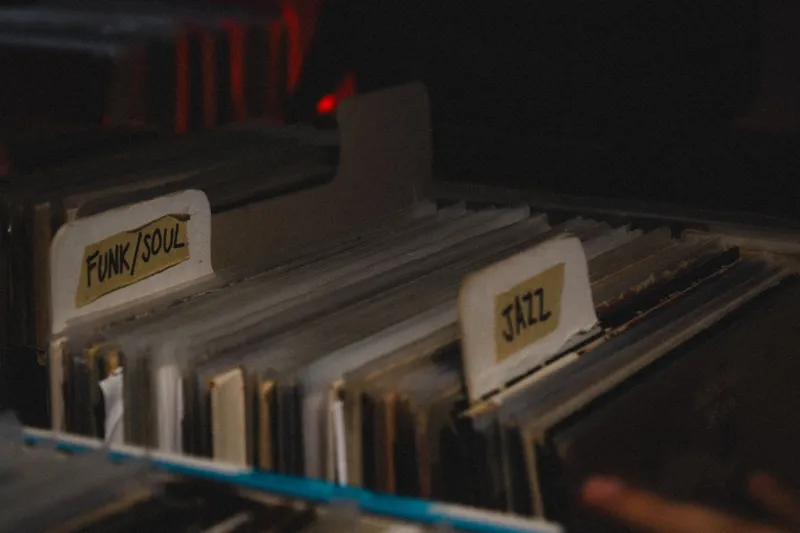
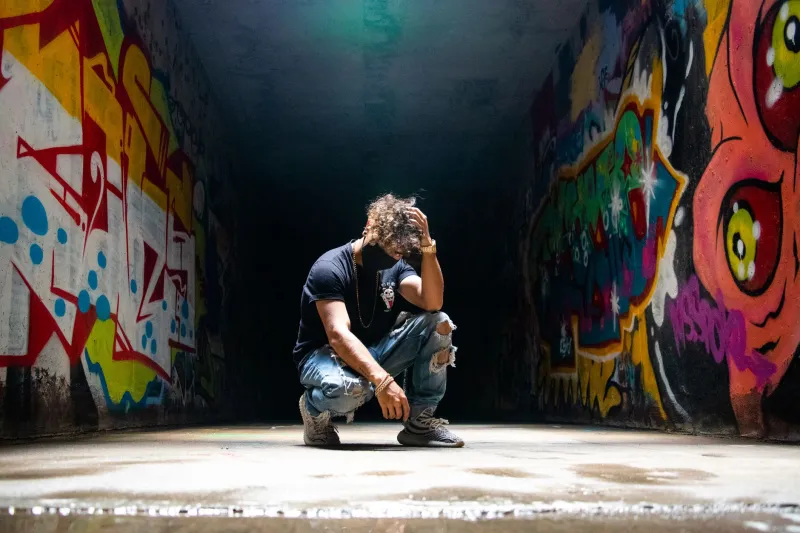
No Genre Left Behind: The Unexpected Artist Team-Ups Flipping Hip-Hop's Script in 2024
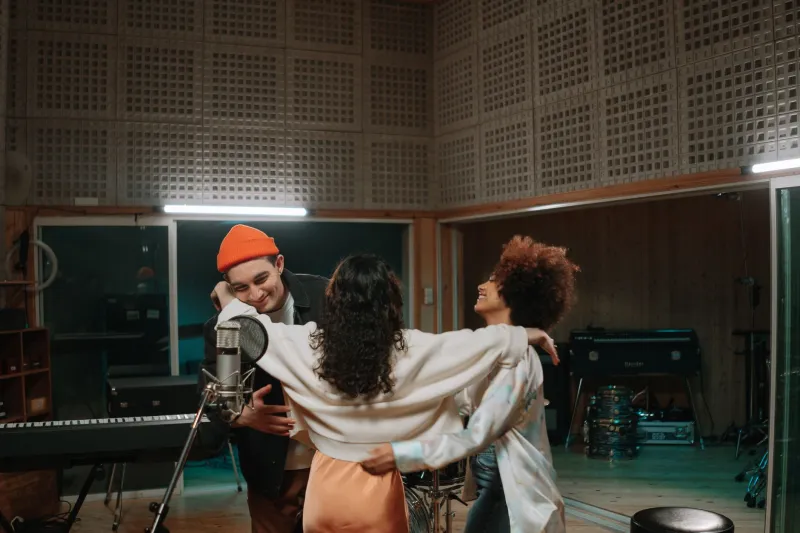
Something weird is happening in hip-hop right now, and we're fully here for it.
The genre that spent decades absorbing everything around it — jazz, soul, reggae, rock, electronic — has hit a new gear in 2024. Artists aren't just borrowing sounds from other genres anymore. They're building whole projects around genre collisions, pulling in collaborators from completely different worlds and daring their audiences to keep up.
The result? Some of the most exciting music in years. And a genuine conversation happening in real time about what hip-hop even is anymore.
The Collab Economy Is Wide Open
Let's start with the infrastructure, because it matters. A decade ago, an unexpected collaboration between, say, a trap rapper and an Afrobeats artist would have been a label-approved crossover attempt — calculated, market-tested, and usually kind of corny. The barriers were real: different management structures, different label priorities, different touring ecosystems.
Streaming changed the math. When a song can reach every corner of the world simultaneously and algorithmic playlists don't care about genre categories, the incentive to stay in your lane basically disappears. An Afrobeats track can land on a hip-hop playlist. A rap verse on an indie rock song can go viral on TikTok. The walls between audiences got porous, and artists noticed.
Social media finished the job. When producers and artists can slide into each other's DMs, share references on Instagram Stories, and build creative relationships without ever being in the same city, the geography of collaboration collapses. A producer in Atlanta can work with a vocalist in Lagos and a guitarist in London on the same track, all without anyone catching a flight.
"The way we make music now is just different," says one Atlanta-based producer who's worked across hip-hop, R&B, and Afrobeats projects. "There's no gatekeeping. If the vibe is right, the song gets made. It doesn't matter what genre it is."
Trap Meets Afrobeats: The Transatlantic Takeover
If there's one cross-genre collision defining 2024, it's the ongoing fusion between American trap and West African Afrobeats. This isn't new territory — Drake's One Dance in 2016 opened a commercial door — but what's happening now goes deeper than a featured verse or a borrowed rhythm.
Producers on both sides of the Atlantic are building hybrid sonic frameworks that don't belong to either genre cleanly. The 808 kick drum that anchors trap production sits alongside percussion patterns rooted in Yoruba musical tradition. Auto-tuned rap vocals weave around Afrobeats vocal melodies. The result is something that feels simultaneously global and hyperlocal.
Burna Boy's collaborations with American rappers have been some of the most discussed examples, but the more interesting action is happening at the underground level — producers in Houston, Detroit, and Lagos trading beats and building sounds that haven't been named yet.
For hip-hop's evolution, this is significant. The genre has always been a synthesis, but the synthesis is now happening in real time across continents. The crate-digging that used to define production culture has been replaced by a kind of living archive — artists influencing each other instantly rather than through recordings that take years to travel.
The Rap-Rock Revival Nobody's Mad About
Okay, somebody's probably mad about it. There's always somebody mad about rap-rock. But the version of the genre collision happening in 2024 is genuinely different from the late '90s and early 2000s era that left some bad memories.
The new wave of rap-rock collabs isn't about watering either genre down for radio play. It's coming from artists on both sides who grew up listening to each other. A generation of rappers who came of age on Linkin Park and a generation of rock artists who grew up on Kendrick Lamar are finding each other and making music that reflects both influences authentically.
The production approach is different too. Instead of slapping a rap verse over a rock chorus, producers are building tracks from the ground up with both aesthetics in mind — distorted guitar textures treated like samples, drum programming that sits between boom-bap and alternative rock, vocal arrangements that move between sung hooks and rapped verses without feeling like two different songs.
"When it works, you can't tell where one genre ends and the other begins," says one producer who's worked on several of these hybrid projects in 2024. "That's the goal. Not a rap song with a guitar. An actual new thing."
Jazz and Rap: The Conversation Continues
This one isn't new, but it's deepening in ways worth paying attention to. The jazz-rap conversation that Kendrick Lamar and Thundercat helped revive with To Pimp a Butterfly in 2015 has been percolating ever since, and 2024 is seeing a new generation of artists push it further.
Young jazz musicians who grew up on hip-hop are increasingly crossing over into production and collaboration, bringing improvisational energy and harmonic complexity that sample-based production can't quite replicate. Meanwhile, rappers who came up during the SoundCloud era — where genre rules were basically nonexistent — are finding jazz's emotional range appealing in a way that feels organic rather than highbrow.
The result is music that's simultaneously cerebral and visceral — tracks that reward repeated listening and work just as well in a headphone session as they do in a car with the bass up.
What Producers Are Actually Saying
Talk to producers working at the intersection of these genres and a few themes come up consistently.
First, the reference pool has exploded. When you're building a hybrid track, you're not just pulling from one genre's history — you're drawing from multiple traditions simultaneously. That requires a broader musical vocabulary and a willingness to sit with discomfort when elements don't immediately fit together.
Second, the audience is more open than the industry. Listeners, especially younger ones, have been raised on algorithmic playlists that don't care about genre. They're genuinely unbothered by a track that doesn't fit a category. The resistance to genre-blending often comes from industry structures — radio formats, playlist categories, award show categories — rather than from actual listeners.
Third, the best collabs happen when both artists bring something irreplaceable. The cross-genre projects that fall flat are usually ones where one artist is basically a featured guest in the other's world. The ones that hit are genuine syntheses — where you couldn't imagine the song without both contributors.
Where This Is All Going
If 2024's collaborative landscape is any indication, hip-hop in the next few years is going to sound like a lot of things at once. The genre's always been a living, breathing synthesis, and the pace of that synthesis is accelerating.
For artists, that's an invitation. The old question of "what kind of artist are you?" is becoming less relevant than "who are you making music with, and what are you building together?" The most exciting careers right now belong to artists who can move fluidly between worlds — who have deep roots in hip-hop but branches reaching into every other genre that's got something worth borrowing.
For listeners, it's a good time to expand the playlist. The next classic hip-hop moment might come wrapped in a guitar riff, a talking drum, or a saxophone solo. And if you're not open to it, you might miss it.
Hip-hop has always been bigger than any one sound. In 2024, it's proving that all over again.